-
play_arrow
Power FM Zimbabwe Feel the Power!!!
-
 play_arrow
Top Techno Podcast Yana Bolder


By Rumbidzai Mashayahanya
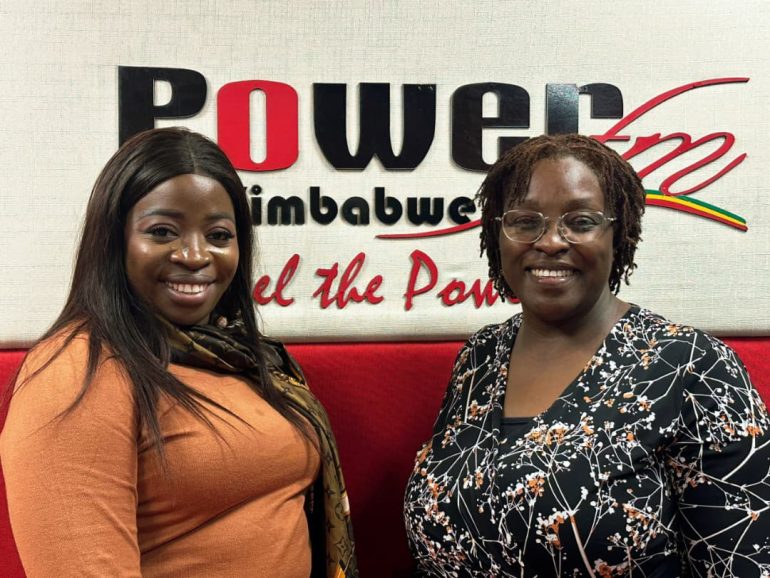
In a compelling sit-down on Power FM, national media and gender-equality voice Gender and Media Connect (GMC) sounded the alarm over a creeping, insidious threat, emanating from technologically-facilitated violence against women journalists in Zimbabwe.
Speaking with Power FM host Kim Sibanda, GMC National Director Patience Zirima revealed the stark findings of GMC’s latest national survey, which revealed that 74 percent of female journalists’ report having suffered violations online or via digital tools.
Zirima did not mince words. “This isn’t just trolling or rude comments,” she emphasized. “We’re talking doxxing, cyberbullying, defamation, deepfake threats, stuff that spills from the screen into real life. Some of our colleagues are being publicly shamed, harassed, even professionally undermined, simply for doing their jobs.”
The problem, she argued, runs deeper than aggressors behind keyboards. Zimbabwe’s current data protection and cyber-crime policies, though ostensibly in place, offer little solace to victims. Once sensitive personal information hits the public domain, victims are effectively stranded: often exposed to societal backlash, without adequate legal recourse or protection.
“It’s one thing to pass laws on data privacy or cyber-crime. It’s another to ensure they’re enforced and we need our police treat TFGBV (technologically-facilitated gender-based violence) as real violence, not as ‘just online stuff’. Right now, the digital sphere is a wild west for women journalists.”
The consequences are chilling. According to the GMC report, only 14 percent report their cases, while many affected women retreat in self-censorship, withdraw from social media, or avoid reporting stories on sensitive issues for fear of retribution. That undermines not only their safety, but the broader democratic promise of inclusive media and gender-balanced journalism.
That context places the interview squarely within the ongoing global campaign of 16 Days of Activism against Gender-Based Violence. Zirima warned that without urgent action, stronger policing, tighter data protection, and gender-sensitive digital policy reform, the digital world risks becoming yet another space where women’s voices are muted by fear.
As she put it: “We cannot have true media freedom or gender equality if half the newsroom is too afraid to speak up online, or too vulnerable to backlash offline.” GMC is calling on government, law enforcement, media houses, and digital platforms to act urgently before more journalists disappear behind silence.
The conversation comes at a critical moment. As more of Zimbabwe’s media and civic life moves online, platforms once seen as democratic equalizers have morphed into new battlefields where anonymity, digital tools, and structural misogyny amplify threats.
GMC’s survey and Zirima’s warning underscore a grim truth: without deliberate action, the digital space risks becoming yet another arena where women’s voices are silenced, erased, or delegitimised.
This year’s 16 Days of Activism against GBV international campaign is running under the theme “Unite to End Digital Violence against All Women and Girls.”







Post comments (0)